
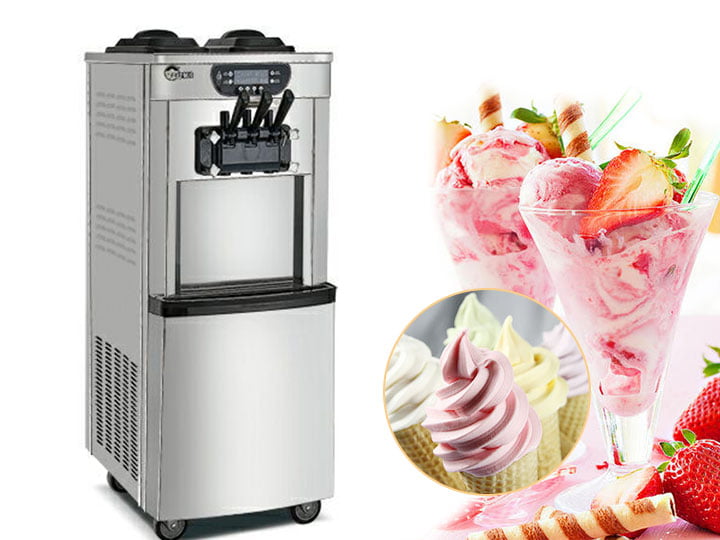
There’s a convenience store owner in Ohio who ran the numbers before buying her first soft serve dispenser. She’d been selling packaged ice cream at $2.50 per pint with roughly 25% margin. After installing a commercial soft ice cream machine, she now sells 150 servings daily at $4.50 each—with margins exceeding 60%. Within eight months, the equipment had paid for itself.
That’s not an unusual story. But it’s also not guaranteed. The difference between a profitable soft serve operation and a money pit often comes down to understanding the real costs involved—not just the price tag on the equipment.
This guide breaks down every cost category, shows you how to calculate your potential return, and helps you decide whether this investment makes sense for your business.
The Upfront Investment
The equipment itself is the most visible cost, but it’s only part of what you’ll spend getting started. Let’s look at the full picture:
Equipment Cost
Commercial soft ice cream machine prices vary significantly based on capacity and features:
- Entry-level models (15-25 L/h): $3,000 – $5,000
- Mid-range models (30-50 L/h): $5,000 – $8,000
- High-capacity units (60-80 L/h): $8,000 – $15,000
These prices typically include the machine, basic accessories, and a one-year warranty. Premium Italian-made components (particularly gear pumps) command higher prices but deliver consistent product quality that keeps customers returning.
Additional Startup Costs
- Electrical work: $200 – $1,000 if you need a dedicated circuit or upgraded outlet
- Plumbing modifications: $150 – $500 if drainage improvements are needed
- Shipping and handling: Often included in the price, but confirm upfront. International orders can add $500 – $1,500
- Initial supplies: Ice cream mix, cones/cups, toppings—budget $300 – $500 for your first inventory
- Installation and training: Usually free with purchase, but verify
Total startup investment typically ranges from $3,500 to $17,000 depending on your capacity needs and location.
Ongoing Operating Costs
Here’s where many operators get surprised. The daily costs of running a soft serve business add up—and they directly impact your profit margins.
Ice Cream Mix
Your single largest ongoing expense. Ice cream mix comes in two forms:
- Powder mix: $15 – $25 per 3kg bag, yields approximately 20-25 liters of finished product
- Liquid base: $25 – $40 per 10-liter container, yields approximately 15-20 liters
Cost per liter of finished soft serve ranges from $1.00 to $2.00 depending on mix quality and whether you add milk/cream separately. Premium mixes produce better texture and flavor—skimp here and your customers will notice.
Consumables
- Cones or cups: $8 – $15 per 100 units
- Toppings: $20 – $50 per month depending on variety offered
- Cleaning supplies: $15 – $30 per month
Utilities
Commercial soft serve equipment runs on significant power:
- Electricity: $75 – $150 per month depending on usage and local rates
- Water: Minimal impact, maybe $5-10 extra per month
A machine running 8-10 hours daily typically adds $100-200 to your monthly electric bill. Factor this into your pricing.
Labor
Soft serve requires minimal specialized labor—most staff can be trained in 15-30 minutes. However, time spent on these tasks has value:
- Daily cleaning: 15-20 minutes
- Loading mix and monitoring: 10-15 minutes per shift
- Weekly deep cleaning: 30-45 minutes
If your labor costs $15/hour, figure $20-40 per day in added payroll. Some operations offset this by assigning soft serve duties to existing staff during slower periods.
Calculating Your ROI
Now for the important part: does this investment actually make money? Here’s the framework:
Revenue Calculation
Monthly Revenue = Daily Servings × Average Price × Operating Days
Typical pricing: $3.50 – $5.50 per serving (varies by location and concept)
Example: 100 servings/day × $4.50 × 30 days = $13,500 monthly revenue
Cost Calculation
Monthly Costs = Mix + Consumables + Utilities + Labor + (Equipment Cost ÷ 36 months)
Using our example above:
- Mix (100 servings × 30 days × 0.2L × $1.50/L): $900
- Consumables (cones, toppings): $400
- Utilities: $125
- Labor ($30/day × 30): $900
- Equipment amortization ($6,000 ÷ 36 months): $167
- Total Monthly Costs: $2,492
Profit Calculation
$13,500 revenue – $2,492 costs = $11,008 monthly profit
At this level, equipment pays for itself in less than one month. Even at more conservative volumes (40-50 daily servings), most operators see payback within 3-6 months.
Scenarios by Business Type
ROI varies significantly depending on your business model. Here’s what different operators typically see:
| Business Type | Daily Servings | Monthly Profit | Payback Period |
| Convenience store (high traffic) | 100-200 | $8,000 – $15,000 | 1-3 months |
| Ice cream parlor | 150-300 | $12,000 – $25,000 | 1-2 months |
| Café (add-on item) | 40-80 | $3,000 – $7,000 | 3-6 months |
| Restaurant (dessert service) | 30-60 | $2,000 – $5,000 | 4-8 months |
| Entertainment venue | 200-400 | $15,000 – $30,000 | 1 month |
These numbers assume good location, reasonable pricing, and decent execution. Your results will vary—but the framework applies universally.
Common Mistakes That Kill ROI
Not every soft serve investment pays off. Here’s what goes wrong:
- Pricing too low: Some operators match grocery store prices. Bad idea. You’re selling fresh, premium product with service. Charge accordingly.
- Buying undersized equipment: Running a machine at 100% capacity constantly leads to breakdowns and inconsistent product.
- Poor location/traffic: Soft serve requires foot traffic. Installing in a back corner of a low-traffic shop rarely works.
- Neglecting maintenance: Skipping daily cleaning leads to product quality issues and eventually equipment failure.
- Inconsistent quality: Using cheap mix or ignoring proper overrun control creates variable product that loses customers.
Long-Term Value Considerations
Beyond immediate ROI, factor in these long-term benefits:
- Equipment longevity: Well-maintained commercial soft serve equipment lasts 10-15 years. Your $6,000 investment spreads across a decade of revenue.
- Menu expansion: Soft serve opens opportunities for affogatos, ice cream floats, sundae bars, and seasonal specials.
- Customer attraction: A visible soft serve machine draws attention. It’s advertising every day.
- Upselling opportunities: Customers buying soft serve often add toppings, extra cones, or drinks.
Is It Worth It?
Here’s the honest answer: for most food service businesses with reasonable foot traffic, yes. The math works. The product is popular. The equipment is reliable when maintained.
The businesses that struggle are typically those that:
- Don’t have enough daily traffic (below 30-40 servings)
- Can’t commit to daily cleaning routines
- Are in locations where customers expect grocery-store pricing
- Buy equipment that’s undersized for their peak demand
If you’re above that traffic threshold and willing to do the basics, soft serve equipment is one of the higher-ROI investments you can make in a food service business.
Ready to run the numbers for your specific situation? Talk to our team. We can help you estimate realistic volumes for your location and recommend equipment that fits your budget and capacity needs.
Browse our selection of commercial soft ice cream machines with transparent pricing and specifications.